Posts

Network Management System: Improve Network Performance

Image
All about Network Management Systems Network Management System (NMS) are an application or set of applications which allows network engineers to manage the independent components of the network within a broader network management framework. A network device (wireless as well as wired) is identified, configured, monitored, updated and troubleshooting in a company's network. A system control application shows the performance data from each network component, which can be changed as needed by network engineers. It includes hardware and software, but usually an NMS is used to manage a network with a software. Why do networks need management systems? If management system is fragmented, network management in large provider-grade environments can be a difficult business. Ops Managers and engineers need to handle consistent IT services including monitoring, optimization, security and expansion of customer-free networking environments effectively and efficiently. But networks ar...

Next Level of Commercial Vehicle Telematics Solution

Image
What is Commercial Vehicle Telematics? Commercial vehicle telematics enables the monitoring and controlling of a commercial vehicle by the means of telecommunication devices. It is a blend of telecommunications and information technology in commercial vehicles. The combination of Global Positioning System (GPS) and on-board diagnostics enables users to record, track, and map and navigate commercial vehicles. Wireless, location technologies, electronic vehicles, etc., pursue a future for commercial vehicle telematics technology. Increased vehicle efficiency, improved routing, increased vehicle safety, accident prevention and injury, damages, etc. are among the benefits of the telematics technology. Commercial Vehicle Telematics Market (2018-2024) | KBV Research Why does the automotive world need Commercial Vehicle Telematics? Innovative solutions for efficient supply chains logistics and fleet management play a vital role in telematics development. Telematics provides visi...

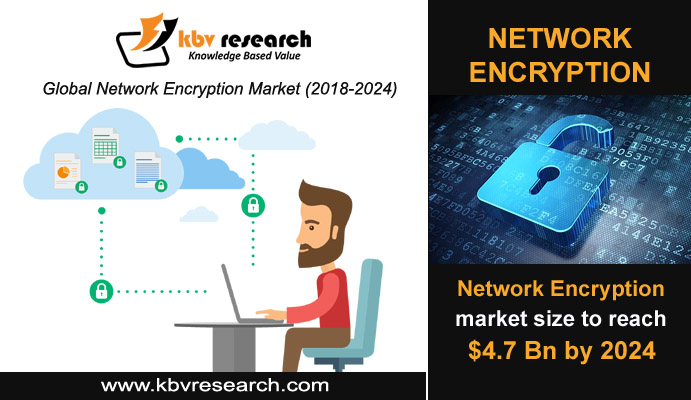
Network Encryption Technology Changing the Future

Image
What is Network Encryption? Network Encryption is a network security process that uses network transfer layer cryptographic services above the level of data link but below the level of application. Network transmission capacities are Layers 3 and 4 of Open Systems Interconnection (OSI), the layers for connectivity and for routing between the two endpoints. Network encryption is invisible to the end user and is operated by any other encryption process using existing network services and application software. The data is only encoded during transit and exists on the hosts of origin and destination as plain text. Do networks need encryption? Encryption is an efficient and popular way to protect network data. The process of encryption hides data or the content of a message so that only through the corresponding decryption process the original information can be recovered. Encryption and decryption are common cryptography techniques - the scientific field behind secure communicati...

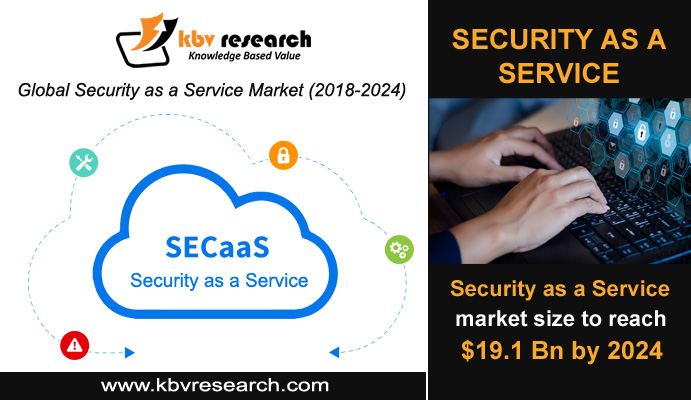
Security as a Service (SECaaS): A Next Generation Technology

Image
All about Security-as-a-Service Security as a Service (SECaaS) is a security management outsourcing model. Security as a Service typically involves applications, such as Internet-based anti-virus software, but it can also refer to the security management that an external organization manages in-house. Security as a service (SECaaS) is an Internet security service management cloud computing model. SECaaS is based on the Service Software model but is constrained to specialized information security services. Why do industries need Security-as-a-Service? Personnel shortages are starting to hit critical levels in the information security field. Small and medium-size companies probably would not have the money to hire these professionals. IT leaders expect that before it improves, this problem will get worse. The budgets for technology feel the strain. Companies need to innovate in order to remain open to competition. There are very high costs for software maintenance, update, pa...

Point of Sale (POS) Terminals Systems & Solutions for any Business

Image
What is a Point-of-Sale (POS) Terminal? A Point-of-Sale (POS) terminal is a hardware system for processing payment of cards at retail sites. A software is integrated into the hardware to read magnetic credit and debit card strips. The next generation of POS systems is comprised of portable devices (i.e. not counter-anchored terminals), either proprietary, or third party, and contactless capabilities for emerging mobile payment forms. POS terminals are in reality just computers running a software system designed to make the operations required for a store at the point of sale easier. The sales point (also called the buying point) refers to wherever transactions occur within a shop. At a designated counter/check-out area for the vast majority of retail locations. Global Point of Sales Terminals Market (2018-2024) | KBV Research Why do we need for a Point-of-Sale (POS) Terminal device? The most important thing for a company to have a point of sale is saving in time. The ...

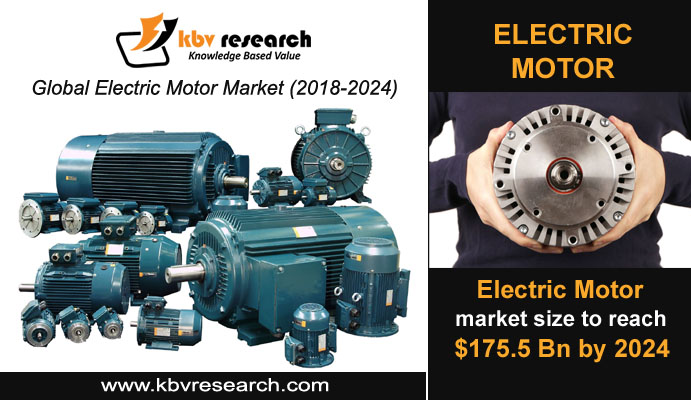
High Energy Efficiency Electric Motors Systems for Industry

Image
What is an Electric Motor? An electric motor transforms electrical power into mechanical power. In other words, the devices that produce rotational force are called the motors. The electric motor's operation depends in particular on the interaction of the magnetic with the electric field. This conversion usually occurs through the manufacture of a magnetic field by a current flowing into one or more coils. Direct current sources such as batteries, motor vehicles or rectifiers and alternating current (AC) sources, such as the electricity grid, inverter or electronic generator, can supply power for electric motors. The electric generator is mechanically identical to the electric motor, but it is on the contrary direction, accepting mechanical energy (for example, flowing water). Global Electric Motor Market (2018-2024) | KBV Research The growing need for Electric Motors The use of high-efficiency electric motors can lead to substantial reductions in energy use and...

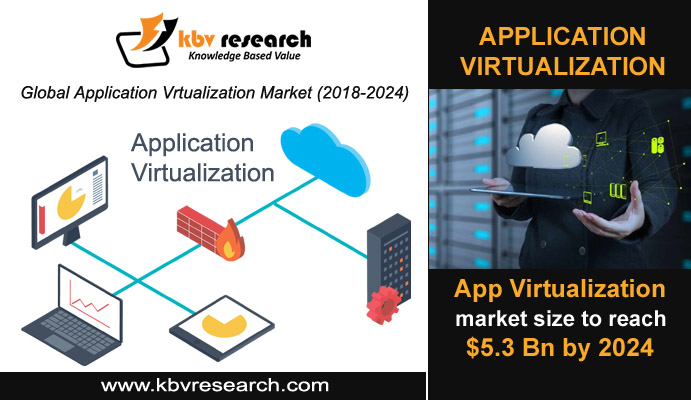
Application Virtualization Technology Increase IT Efficiency

Image
What is Application Virtualization? Application Virtualization can be understood as a software technology which implements the encapsulation of an application to isolate it from its host Operating System. The output of this isolation process leads to the independence of the operating system, which can also be considered as one of the top advantages of deploying the application virtualization technology. Encapsulation is a fundamental and a crucial factor which enables the operation of applications within artificial, or “virtual” environment. While a plethora of solutions is available for virtualizing applications, IT teams often resort to a server- based approach, which can help with delivering the applications without installing them over individual desktops. Rather, administrators incorporate remote applications on a server within the company’s data centre or with a hosting service and then deliver the applications to the users’ desktops. Global Application Virtualization ...